Packing matters as much as paperwork when it comes to dangerous goods. Get the packing wrong, and even perfect documentation won't stop the airline from rejecting the shipment or having it returned at the destination. Here's everything: UN-certified container types and how to read the codes, packing group requirements, inner/outer packing rules, labeling and marking regulations, and Limited Quantity packing conditions — organized under 2026 air transport standards.
1. Why Packing Matters — Common Reasons Shipments Get Returned
In dangerous goods transport, poor packing isn't just a matter of damage. It leads to airline rejection, seizure at destination customs, or the entire shipment being returned. Here are the most common causes.
🚫 Common reasons shipments are returned for poor packing:
① Not using a UN-certified container (using a plain cardboard box instead)
② No UN number or warning label on the outer packaging
③ Insufficient insulation or waterproofing on the inner packaging
④ Lithium batteries packed above 30% state of charge
⑤ Mixing dangerous goods with general cargo in the same package
Packing standards vary by hazard class and packing group (PG). Always confirm the packing requirements for your specific item before shipping.
2. What Is a UN-Certified Container? — Types and How to Read the Codes
A UN-certified container is packaging that meets UN standards for safely containing dangerous goods. The UN certification mark and code are printed on the outer packaging so it can be verified.
Container Code
Container Type
Material
Main Use
1A1
Closed-head drum
Steel
Liquid dangerous goods (Class 3, 8, etc.)
1A2
Open-head drum
Steel
Solid dangerous goods
1H1
Closed-head drum
Plastic (HDPE)
Liquid chemicals, corrosive substances
3A1
Closed-head can
Steel
Small quantities of flammable liquid
4G
Fiberboard box
Corrugated board
Solid dangerous goods, small shipments
4GV
Fiberboard box (special)
Corrugated board
Batteries, specialty dangerous goods
6HA1
Composite packaging (inner bottle + outer box)
Glass + corrugated board
Small quantities of liquid dangerous goods
💡 How to read a UN code: example 4G/X5/S/26/KR/AA1234
4G = fiberboard box / X = highest packing group rating (approved for PG I) / 5 = maximum gross weight (kg) / S = for solids / 26 = year of manufacture / KR = country / AA1234 = manufacturer certification number
3. Packing Group (PG I/II/III) Classification
Every dangerous good is assigned a Packing Group (PG) based on hazard level. The higher the PG, the stricter the packing requirements.
Highest hazard
PG I
High-hazard items. The strictest packing requirements apply. UN-certified X-grade containers required. Often requires cargo-only aircraft (CAO).
X-grade container
Medium hazard
PG II
Medium-hazard items. UN-certified Y-grade or higher containers used. The grade most dangerous goods fall under.
Y-grade or higher
Lower hazard
PG III
Low-hazard items. UN-certified Z-grade or higher containers are acceptable. Many items in this group qualify for the Limited Quantity (LQ) exemption.
Z-grade or higher
PG
Hazard Level
Container Grade
Air Loading
Example Items
PG I
High
X grade
Often CAO only
Concentrated sulfuric acid, mercury, etc.
PG II
Medium
Y or higher
Both CAO and PAX possible (item-dependent)
Lithium batteries (per PI), flammable liquids, etc.
PG III
Low
Z or higher
Often PAX-eligible
Small-quantity paint, household chemical products, etc.
4. Inner and Outer Packing Requirements — Air Transport Standards
Dangerous goods packing is composed of two layers: inner packaging (primary packaging) and outer packaging. Each layer has its own requirements.
01
Inner packaging — the container in direct contact
This is the first container in direct contact with the dangerous good. Chemical resistance of the material and leak-proof sealing are key.
Liquids: fill to 95% of container volume or below (headspace for thermal expansion)Batteries: discharge to 30% SOC or below + individual insulationDouble-sealed caps/stoppers to prevent leaks — accounting for low cabin pressureWrap the inner container in absorbent material (vermiculite, absorbent paper, etc.)
02
Outer packaging — UN-certified containers
This is the final outer container holding the inner packaging. Depending on the PG, you must use a UN-certified X/Y/Z grade container or higher, as specified.
Confirm the UN certification mark and code are printed on the outer packagingFill empty space with cushioning material (bubble wrap, foam, etc.) to prevent shiftingSeal and reinforce joints with tape
03
No mixed packing of incompatible dangerous goods
Dangerous goods that could react with each other cannot go in the same outer package. Mixing dangerous goods with general cargo may also be restricted.
Oxidizers (Class 5) and flammable substances (Class 3) cannot be mixedAvoid packing general cargo like documents or clothing in the same box
5. Dangerous Goods Label and Marking Requirements
The following labels and markings must be affixed to the outer packaging. Airline acceptance staff check these items on-site.
Label/Marking Type
Content
Size
Required?
Hazard class label
Class number and pictogram (e.g. Class 3 flame)
100×100mm minimum
Required
UN number marking
"UN" + 4-digit number (e.g. UN3480)
12mm+ lettering
Required
Orientation arrow marking
"This side up" marking for liquid dangerous goods
On both sides
Required for liquids
Cargo Aircraft Only label
Cargo-only aircraft marking (red background)
Standard size
Required for CAO items
Lithium battery mark
Battery pictogram + UN number + Wh
120×110mm
Required for battery items
Total weight marking
Total package weight (kg)
Legible size
Required
LQ diamond mark
Limited Quantity exemption marking
100×100mm
Required when LQ applies
⚠️ Damaged or missing labels cause shipments to be returned in transit. Use waterproof labels, and take care not to cover them with tape.
6. Limited Quantity Packing Exemption Conditions
A Limited Quantity (LQ) exemption applies relaxed packing and documentation rules once a dangerous good's inner packaging volume falls under a certain threshold. All conditions must be met precisely to qualify.
①
Meet the inner packaging volume threshold
IATA sets a maximum volume per inner package for each item under the LQ rules. Example: for Class 3 flammable liquid, PG II — inner packaging must be 1L or below.
②
Total weight of 30kg or below per package
If the total weight per outer package exceeds 30kg, it no longer qualifies for LQ treatment.
③
Attach the LQ diamond mark to the outer packaging
A white background, black-bordered diamond mark must be affixed to the outer packaging. Minimum size is 100×100mm.
④
Confirm items ineligible for LQ
Not every dangerous good qualifies for LQ treatment. Some items, such as Class 1 (explosives) and Class 7 (radioactive materials), cannot use the LQ exemption.
✅ Benefits of LQ eligibility: DGD (Dangerous Goods Declaration) preparation exempted / PAX loading possible (not just CAO) in many cases / simplified import declaration at some destination countries. Note that the MSDS and general documents (Invoice, Packing List) are still required.
7. Tosome Logis Dangerous Goods Packing Service
If the packing standards feel too complex to handle yourself, leave it to Tosome Logis. We review your MSDS, confirm the packing standard, and handle everything — UN-certified containers, inner packaging processing, labels and markings — in one package.
Tosome Logis Dangerous Goods Packing Service
📦Packing standard confirmation — PG and UN container type auto-determined from your MSDS
⚡Same-day intake, same-day dispatch — shipped immediately once packing is complete
🔬Small samples welcome (10g) — we handle small shipments most competitors refuse
8. Frequently Asked Questions About Dangerous Goods Packing
Items in PG I/II must use UN-certified containers. Some PG III items and shipments meeting the Limited Quantity (LQ) exemption can use sturdy outer packaging without UN certification in some cases. Exact requirements vary by item, so confirm with a specialist forwarder.
The Packing Group (PG) is classified by hazard level: PG I (high hazard), PG II (medium), and PG III (low hazard). The higher the PG, the stricter the packing requirements and the higher the required UN container grade. This can be confirmed in Section 14 of the MSDS or in the IATA DGR.
Dangerous goods labels can be purchased online or from packing supply specialists. If Tosome Logis handles your packing, label application is included. Label size (minimum 100×100mm) and color standards must be followed.
Meeting LQ criteria exempts the DGD requirement and expands eligibility for passenger aircraft (PAX) loading. However, the outer packaging must carry the LQ diamond mark, and both the inner packaging volume and per-package weight thresholds must be met.
Tosome Logis handles the entire dangerous goods packing process — UN-certified container selection, inner packing processing, and label/marking application. Just send us your MSDS and we'll confirm the packing standard and handle dispatch. Contact us via KakaoTalk or at 0507-1399-4075.
1. Personal Information Collected and Collection Method
Tosome Logis (the "Company") collects the following personal information to provide services such as customer inquiries, quote requests, and shipping consultations.
Items collected: name, email, phone number, address, cargo information, and any other information provided by the customer
Collection method: direct input via the website inquiry form, email inquiries, phone consultations, etc.
2. Purpose of Collection and Use
Responding to inquiries and quote requests
Confirming cargo information and contacting customers to provide shipping services
Service-related notices and customer support
Improving logistics service quality and providing tailored guidance
3. Provision and Sharing of Personal Information
The Company does not disclose personal information to third parties without customer consent, except in the following cases.
When the customer has given prior consent
When required by law or requested by a government authority
When minimal information must be shared with partner carriers (FedEx, DHL, UPS, etc.) necessary to complete shipment
4. Retention and Use Period of Personal Information
Item
Reason for Retention
Retention Period
Inquiry and consultation history
Preventing service confusion, dispute resolution
3 months
Contract and payment information
Act on Consumer Protection in Electronic Commerce
5 years
Log records
Protection of Communications Secrets Act
3 months
5. Procedure and Method of Destroying Personal Information
Paper documents: shredded or incinerated
Electronic files: deleted using methods that prevent recovery
Customers may request to view, correct, or delete their personal information at any time. Requests are processed without delay after identity verification.
9. Security Precautions
Use a combination of letters and numbers in your password, and change it periodically.
Log out and close your browser after using shared or public devices.
Do not leave personal information on message boards, chat windows, etc.

 KR
KR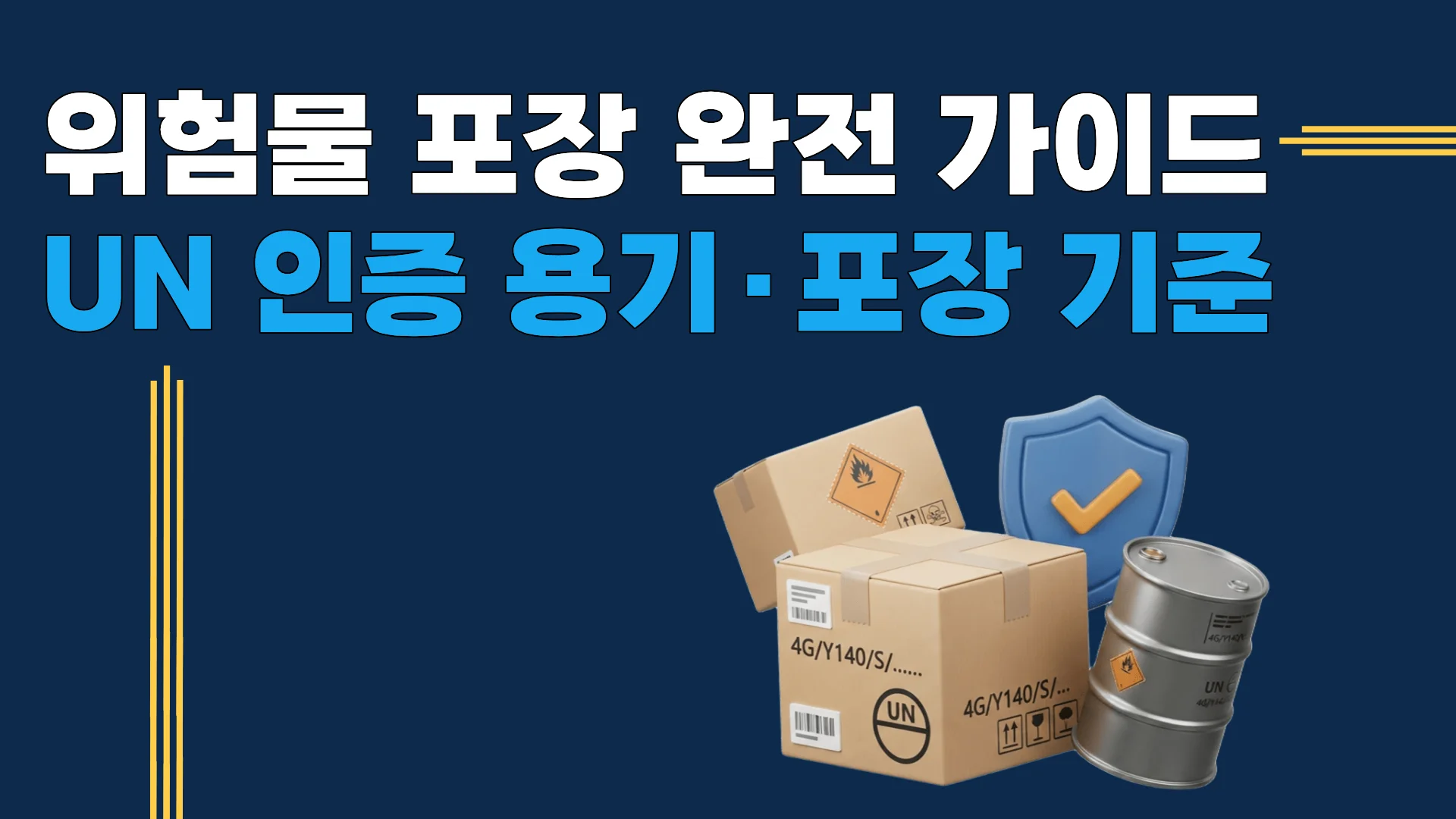
 KakaoTalk
 Naver Blog