Dangerous Goods Shipping2026-05-16· Tosome Logis~12 min read
Lithium Battery Air Freight From Korea UN3480 vs UN3481, PI/PII/Wh Calculation, PAX vs CAO
Every airline applies different rules. That's why shipments get rejected. Lithium batteries are one of the trickiest items in international logistics. EMS won't handle them as a rule, and if you can't tell PI from PII, you can't ship at all. Here's the UN numbers, PI/PII/Wh calculation, the difference between passenger (PAX) and cargo-only (CAO) aircraft, and the 2026 updates — organized under IATA DGR rules for exporters shipping from Korea.
1. Why Exporting Lithium Batteries From Korea Is So Difficult
Lithium batteries are designated dangerous goods (Class 9) by the International Air Transport Association (IATA). Because of the risk of overheating, fire, and explosion, each airline sets its own rules for accepting them. Even major couriers (DHL, FedEx, UPS) cannot accept them without prior dangerous goods declaration.
EMS (international postal service) refuses standalone lithium battery shipments as a rule, and some countries ban them from import entirely. Shipping without understanding the regulations often results in the cargo being returned or seized by customs at the destination.
⚠️ IATA regulations are revised every year. This guide reflects the 2026 rules, but airlines and destination countries may apply additional restrictions. Always confirm with a specialist forwarder before shipping.
2. What Changed in the 2026 IATA Lithium Battery Air Rules
Under the 2026 IATA DGR 67th edition, the following changes were made or tightened. Shipments prepared under the old rules are increasingly being rejected at acceptance, so review this carefully.
①
Tighter State of Charge (SOC) limit
Cargo lithium-ion cells and batteries may only be loaded with a state of charge of 30% or below. This is stricter than the previous limit of 50% or below.
②
More items banned from passenger aircraft (PAX) cargo holds
Standalone lithium-ion cells and certain grades of lithium-metal batteries are now banned from passenger aircraft (PAX) cargo holds. More shipments now require Cargo Aircraft Only (CAO) transport.
③
More precise PI/PII classification requirements
The Wh (watt-hour) thresholds for Section I (PI) and Section II (PII) have been broken down further. PI is limited to cargo-only aircraft (CAO); PII can fly on both passenger (PAX) and cargo aircraft — a misclassification results in immediate rejection.
④
Tighter packing inspection and marking rules
The requirement to use UN-certified packaging, orientation arrow labels, and handling label placement rules have all been made more specific.
3. PI vs PII — the Wh Threshold Table
The first thing to check for lithium battery air freight is whether the battery falls under PI (Section I) or PII (Section II). This depends on the Wh (watt-hour) capacity and the battery form (cell vs. pack).
Battery Type
PII (Relaxed)
PI (Strict)
Air Transport Banned
Lithium-ion cell
20Wh or below
Above 20Wh - 60Wh
Above 60Wh
Lithium-ion battery pack
100Wh or below
Above 100Wh - 160Wh
Above 160Wh
Lithium-metal cell
1g or below
Above 1g - 5g
Above 5g
Lithium-metal battery pack
2g or below
Above 2g - 25g
Above 25g
Quantity per package (PII)
24 cells or 2 packs max
Limits apply
—
💡 Wh calculation: Wh = voltage (V) × capacity (Ah). Example: 3.7V × 2.5Ah = 9.25Wh, 11.1V × 5Ah = 55.5Wh (typical for a laptop battery). A single 18650 cell is usually around 10-12Wh.
PAX (Passenger Aircraft) and CAO (Cargo Aircraft Only) refer to the type of flight a lithium battery can be loaded onto. If PII conditions are met, both PAX and CAO can carry the shipment; PI-classified batteries must go by CAO only, due to fire risk. Battery loading rules on passenger aircraft are far stricter for fire-safety reasons, and CAO availability varies by airline and route, so always confirm before shipping.
4. UN Number Classification Table for Lithium Batteries
Lithium batteries fall under four UN numbers depending on their form and whether they're shipped alone or built into a device. Documentation must use the correct UN number.
UN Number
Item
Applicable PI
Common Examples
UN3480
Lithium-ion batteries alone (no device)
PI 965
18650 cells, power banks, standalone battery packs
UN3481
Lithium-ion batteries — packed with or contained in equipment
PI 966 / PI 967
Batteries built into laptops, smartphones, etc.
UN3090
Lithium-metal batteries alone
PI 968
Standalone primary lithium cells
UN3091
Lithium-metal batteries — packed with or contained in equipment
PI 969 / PI 970
Devices with built-in primary lithium cells
5. Air vs. Sea — Choosing How to Export Lithium Batteries
Whether to ship lithium batteries by air or sea depends on capacity, quantity, destination, and lead time.
Small quantity, urgent
Air Courier
Small quantities meeting PII criteria. Dangerous goods declaration followed by DHL/FedEx air courier. Lead time 1-5 days.
PII or below
Medium-large or PI-grade
Sea Freight Forwarding
For volumes exceeding PI thresholds or bulk shipments. Shipped as sea dangerous goods. Lead time 7-20 days, at lower cost.
PI or above / bulk
Capacity too large for air
Sea Freight Required
Items such as battery packs above 160Wh that are banned from air transport. Can only be shipped via sea dangerous goods service.
160Wh+
6. Packing Requirements for Lithium Batteries
Packing standards for air-freighted lithium batteries are set out in the IATA DGR (Dangerous Goods Regulations). Failure to follow the packing requirements results in rejection at the airline or return at the destination.
01
Discharge to 30% SOC or below (the core inner-packing rule)
Lithium-ion batteries for air transport must be discharged to a state of charge (SOC) of 30% or below before shipping. Shipping at full charge results in rejection.
SOC limits don't apply to lithium-metal batteries (but discharge/short-circuit prevention is still required)Batteries built into devices must be packed with the device powered off
02
Short-circuit prevention — individual packing or insulation
Each battery must be individually bagged or have its terminals protected with insulating tape. When packing multiple batteries together, they must not touch each other.
Terminal protector caps or insulating tape requiredPrevent contact between batteries — use individual dividers or packing material
03
Outer packaging — UN-certified containers
PI-grade batteries must use UN-certified outer packaging. PII allows sturdy outer packaging, though UN certification is still recommended.
04
Labels and markings
The outer packaging must display the UN number, the dangerous goods warning label (Class 9), orientation arrows, and the weight.
A separate Lithium Battery Mark (handling label) is requiredTotal package weight must be marked
7. Re-Shipping a Lithium Battery After an EMS Rejection
EMS (international postal service) does not handle lithium batteries as a rule. If your shipment was attempted via EMS and returned, here's how to re-ship it.
🚫 A lithium battery returned by EMS is not simply a "returned item." It must be reclassified as dangerous goods and new documentation prepared. Reusing the original airway bill (AWB) will result in another rejection.
1
Receive and inspect the cargo
Confirm the returned battery's capacity (Wh), quantity, and condition. Also check for damage and the current SOC.
2
Classify as dangerous goods and prepare documentation
Reconfirm the UN number and PI/PII status, and prepare a new MSDS and DGD (Dangerous Goods Declaration). Tosome Logis handles this on your behalf.
3
Discharge SOC and repack
If the state of charge is above 30%, discharge it and repack according to dangerous goods standards.
4
Re-ship via dangerous goods courier or sea freight
Re-ship using DHL/FedEx's dedicated dangerous goods service, or via sea freight forwarding.
8. Tosome Logis Lithium Battery Export Service
If you have an MSDS, we can start right away. We handle PI/PII classification, packing, paperwork, and dispatch from start to finish. If nobody else will take your shipment, come to Tosome Logis.
Tosome Logis has hands-on air courier experience with a wide range of lithium battery items — power banks, lithium cells, batteries built into power tools, and more. Just tell us the battery type, capacity, quantity, and destination, and we'll tell you right away whether it can be shipped and how much it will cost. See also our basic guide to shipping lithium batteries overseas from Korea.
Tosome Logis Lithium Battery Export Service
🔋Free PI/PII classification guidance — Wh calculation, UN number confirmation, and air/sea method consulting
📄Full documentation support — MSDS, DGD, and Shipper's Declaration all prepared for you
📦Dangerous goods packing service — SOC discharge, insulation, UN-certified outer packaging, and labeling
✈️Same-day intake, same-day dispatch — fast processing minimizes lead-time risk
🔬Small quantities welcome (10g samples) — we handle small shipments most competitors refuse
🚢Full air and sea coverage — Class 1-9, drone batteries, 18650 cells, and power banks all handled
♻️Re-shipment of returned cargo — we can re-ship items rejected by EMS or other providers, correctly classified as dangerous goods
9. Frequently Asked Questions About Lithium Battery Export
PI (Section I) and PII (Section II) are distinguished by the battery's Wh capacity. A lithium-ion battery pack is PII at 100Wh or below, and PI above 100Wh up to 160Wh. PII qualifies for relaxed air transport conditions, while PI is subject to stricter quantity and packing limits.
EMS does not handle standalone lithium battery shipments as a rule. Only some small batteries built into devices are allowed in limited cases, and import restrictions vary by country. To ship overseas, use a dangerous-goods-approved courier (DHL/FedEx) or sea freight forwarding.
LiPo drone batteries can be exported by air if they meet the Wh-based PI/PII classification. They must be discharged to 30% SOC or below, packed to prevent short circuits, and comply with quantity limits. For larger capacities or quantities, sea freight is more practical.
For air transport, batteries must be discharged to 30% SOC or below, individually insulated to prevent short circuits, packed in UN-certified outer packaging, and marked with the UN number, warning labels, and weight. Failing to meet these requirements results in rejection at the airline or return at the destination.
At Tosome Logis, same-day intake generally means same-day dispatch. Air courier takes 1-5 business days after dispatch depending on the destination; sea freight takes 7-20+ days. Tosome Logis prepares the MSDS and DGD paperwork on your behalf.
UN3480 covers batteries shipped alone (power banks, battery packs, cells), while UN3481 covers batteries packed with or built into equipment (laptops, smartphones, etc). Different packing instructions apply, with UN3480 subject to stricter rules.
1. Personal Information Collected and Collection Method
Tosome Logis (the "Company") collects the following personal information to provide services such as customer inquiries, quote requests, and shipping consultations.
Items collected: name, email, phone number, address, cargo information, and any other information provided by the customer
Collection method: direct input via the website inquiry form, email inquiries, phone consultations, etc.
2. Purpose of Collection and Use
Responding to inquiries and quote requests
Confirming cargo information and contacting customers to provide shipping services
Service-related notices and customer support
Improving logistics service quality and providing tailored guidance
3. Provision and Sharing of Personal Information
The Company does not disclose personal information to third parties without customer consent, except in the following cases.
When the customer has given prior consent
When required by law or requested by a government authority
When minimal information must be shared with partner carriers (FedEx, DHL, UPS, etc.) necessary to complete shipment
4. Retention and Use Period of Personal Information
Item
Reason for Retention
Retention Period
Inquiry and consultation history
Preventing service confusion, dispute resolution
3 months
Contract and payment information
Act on Consumer Protection in Electronic Commerce
5 years
Log records
Protection of Communications Secrets Act
3 months
5. Procedure and Method of Destroying Personal Information
Paper documents: shredded or incinerated
Electronic files: deleted using methods that prevent recovery
Customers may request to view, correct, or delete their personal information at any time. Requests are processed without delay after identity verification.
9. Security Precautions
Use a combination of letters and numbers in your password, and change it periodically.
Log out and close your browser after using shared or public devices.
Do not leave personal information on message boards, chat windows, etc.

 KR
KR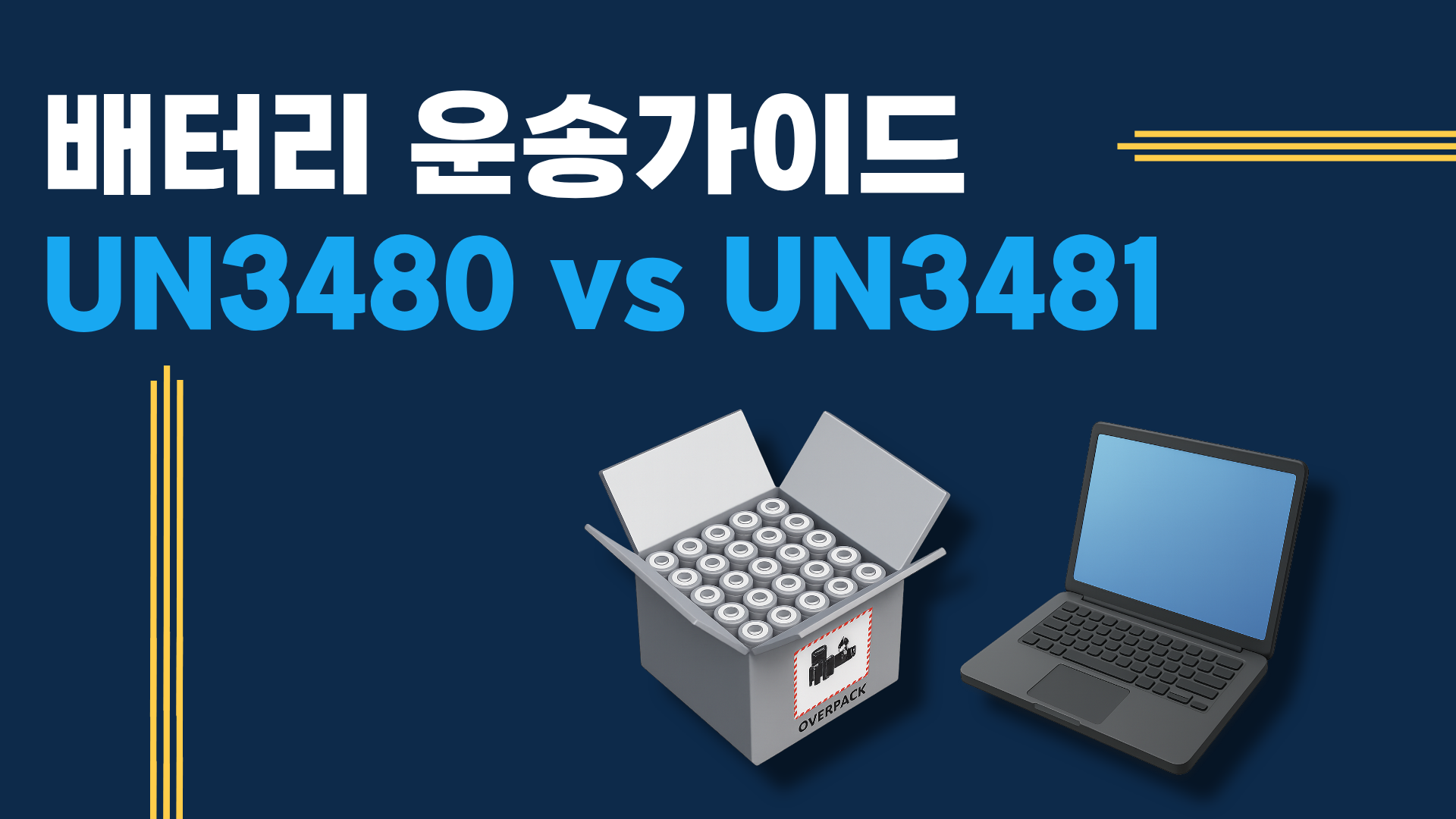
 KakaoTalk
 Naver Blog