Forwarding Guide2026-06-03· Tosome Logis~10 min read
LCL Import Guide 2026 Cost, Process, and Choosing a Forwarder — All in One Place
If you're shipping a small sea freight import for the first time, LCL import is the term you're searching for. Because you don't need to rent an entire container, LCL (consolidated cargo) is the most realistic sea freight option for small and mid-size shippers. Here's a complete 2026 field guide covering cost structure, process, CBM calculation, LCL vs FCL comparison, and how to choose a forwarder.
1. What Is LCL Import? — the Basics of Small-Lot Sea Freight
LCL (Less than Container Load) import is a sea freight method where cargo from multiple shippers is consolidated into a single shared container. Unlike FCL (Full Container Load), where you rent an entire container by yourself, you only pay for the volume (CBM) you actually use.
It's the most common shipping method for small and mid-size businesses, startups, and 1688/Alibaba buyers importing small or mid-size cargo volumes from China, Vietnam, India, and elsewhere.
💡 CBM (Cubic Meter) is the unit of cargo volume. 1 CBM = 1m long × 1m wide × 1m high. LCL freight is billed on this volume basis. As a general rule, LCL is cheaper below roughly 15 CBM, and FCL becomes cheaper above that.
2. LCL vs FCL — Which Should You Choose?
Deciding between LCL and FCL means looking at both cargo volume and rate structure together. Don't just judge by "which is cheaper" — compare on total (all-in) cost.
Category
LCL (Consolidated Cargo)
FCL (Dedicated Container)
Suitable volume
Up to ~15 CBM (varies by forwarder)
15 CBM+ / 20ft or 40ft container
Rate basis
Per CBM
Per container
Lead time
Includes CFS consolidation wait — 2–5 days longer than FCL
Example: one box at 50cm × 40cm × 30cm = 0.5m × 0.4m × 0.3m = 0.06 CBM
Ten of the same box: 0.06 × 10 = 0.6 CBM
LCL freight is billed on whichever is greater — actual volume (CBM) or volumetric weight (CBM × 1,000kg). Cargo that's small in volume but heavy (metal parts, machinery, etc.) may be billed by weight instead.
Box Size (cm)
Count
Total CBM
Note
50 × 40 × 30
10
0.6 CBM
Small box example
100 × 80 × 60
5
2.4 CBM
Medium box example
120 × 100 × 100
3
3.6 CBM
Large box example
1 standard pallet
1
~1–2 CBM
Varies with stack height
4. LCL Import Process — Factory to Warehouse, Step by Step
The full LCL import flow runs through 7 stages. Here's what your forwarder handles at each step.
01
Select a forwarder and confirm an all-in quote
Share your cargo details (origin, item type, CBM, weight) and get a quote covering total cost.
Confirm whether freight, CFS warehouse fee, D/O fee, customs fee, and inland transport are all includedRequest an advance check of HS code and import eligibility (essential before shipping)
02
Factory pickup or direct CFS drop-off
Your forwarder's local partner picks up the cargo from the factory and moves it to the local CFS (Container Freight Station) warehouse.
EXW terms: factory pickup → CFSFOB terms: factory delivers to the designated port warehouse, then the forwarder takes over
03
Consolidation at the CFS and waiting for loading
Cargo from multiple shippers is consolidated into a single container at the CFS. Cargo waits in the warehouse until the next sailing.
Sailing frequency at major China ports: Shanghai/Ningbo 3–5x/week, Shenzhen/Guangzhou 2–3x/weekThis stage is the main reason LCL lead time runs longer than FCL
04
Sea freight (China → Incheon)
Sea transit begins once loading is complete. A B/L (Bill of Lading) is issued.
Shanghai/Ningbo → Incheon: ~2–3 daysShenzhen/Guangzhou → Incheon: ~4–5 daysQingdao/Weihai → Incheon: ~1–2 days (faster still with ferry service)
05
Arrival at Incheon port and domestic CFS sorting
Once the container arrives at Incheon port, cargo is sorted at the domestic CFS. Your forwarder receives the D/O (delivery order).
06
Import customs clearance
A licensed customs broker (or your forwarder's clearance service) files the import declaration. If paperwork is in order, this completes within 1–2 days.
Required documents: B/L, commercial invoice, packing list, HS codeCertificate of Origin (C/O) required in addition if FTA appliesItems needing KC certification or food/drug approval must be confirmed in advance
07
Inland transport and final delivery
After customs clearance, cargo is delivered to the designated address. Releasing cargo within the bonded warehouse's free period (varies by forwarder) avoids extra storage fees.
5. LCL Import Cost Structure — a Complete Line-Item Breakdown
The most common complaint with LCL import is "the final cost came in far higher than the original quote." Knowing the line items in advance keeps you from getting surprised.
Cost Item
Description
Applies
Ocean freight
Base rate from origin to destination port. Billed per CBM or weight
Always
CFS fee (origin)
Handling fee for receiving and loading cargo at the China CFS
Always
CFS fee (destination)
Sorting and storage fee at the Incheon CFS
Always
D/O fee
Delivery order issuance fee
Always
Customs fee
Import declaration and customs broker fee
Always
Duties & VAT
Varies by HS code duty rate
Always (reducible with FTA)
Inland transport
Delivery cost from Incheon port to final destination
Always
THC (terminal handling charge)
Port terminal handling fee
Varies by forwarder
Bonded warehouse overstay fee
Charged if cargo exceeds the free storage period
Only if delayed
Certificate of Origin fee
FTA C/O issuance fee
Only if FTA applies
⚠️ Always ask your forwarder for an "all-in quote." Some forwarders quote only the base freight and bill the rest later. Treat anything not explicitly listed on the quote as excluded, and confirm before you commit.
6. LCL Lead Time by Major China & Southeast Asia Port (2026)
The lead times below cover the full journey from factory pickup to delivery in Incheon. Document issues, holidays, and peak-season delays are not included.
Origin Country / Port
Sea Transit
Full Lead Time (incl. CFS wait)
Notes
🇨🇳 Shanghai
2–3 days
~7–10 days
High LCL volume, frequent sailings
🇨🇳 Ningbo
2–3 days
~7–10 days
Strong for apparel and textiles
🇨🇳 Shenzhen
4–5 days
~10–14 days
Strong for electronics and IT parts
🇨🇳 Guangzhou
4–5 days
~10–14 days
Strong for household goods and furniture
🇨🇳 Qingdao
1–2 days
~5–8 days
One of the fastest lanes
🇨🇳 Weihai
Next-day ferry
~3–5 days
Fastest via the Incheon–Weihai ferry route
🇻🇳 Ho Chi Minh City
6–8 days
~12–18 days
High volume of apparel, footwear, furniture
🇻🇳 Hanoi / Haiphong
7–9 days
~14–20 days
Cargo from northern manufacturing hubs
🇮🇳 Mumbai
10–14 days
~18–25 days
Air freight worth comparing as well
7. Tosome Logis LCL Import Forwarding — Just Send Us the Factory Location
Send us the factory location, item type, and rough quantity, and we'll provide a free LCL/FCL comparison quote with HS code confirmation included.
Tosome Logis LCL Import Terms
📦All-in quote — freight, CFS fees, D/O fee, customs fee, and inland transport all included. No extra charges mid-process
🏭Free local warehousing in China — no separate charge for warehouse time while waiting to load after pickup
🚢7 free days at our Korea bonded warehouse — no storage fee if released within 7 days of arrival
🔍HS code and customs eligibility checked before departure — eliminates the risk of a blocked clearance after arrival
📘FTA Certificate of Origin issuance handled for you — apply Korea-China / Korea-Vietnam FTA duty benefits
🌏Pickup across all of China — Shanghai, Shenzhen, Guangzhou, Weihai, Changsha, Yiwu, Qingdao, and more
✅We recommend whichever of LCL, FCL, or air freight minimizes your total cost for the cargo at hand
8. LCL Import Forwarder Selection — 5 Criteria From the Field
Choosing on price alone tends to backfire. Here's what to check beyond cost.
1
Does it offer an all-in quote?
Some forwarders quote only the base freight and bill CFS, D/O, and customs fees later. Ask for a quote that lists every line item up front.
2
Pre-shipment HS code checking
A forwarder that confirms your HS code and import eligibility before departure is the safer choice. Being told after arrival that clearance isn't possible means paying for a return shipment or disposal.
3
Local pickup network
Check whether the forwarder can pick up from factories anywhere in China. Many forwarders can't reach factories located in inland cities.
4
Can it handle FTA Certificate of Origin issuance?
If your item qualifies under the Korea-China FTA, a Certificate of Origin (C/O) can reduce your duty rate. Choosing a forwarder that handles this for you means real savings.
5
Handles customs and inland delivery in one package
Some forwarders only handle clearance and hand off inland transport to a separate company. It's more convenient to work with a forwarder that handles everything from pickup to final delivery under one roof.
9. LCL Import — Frequently Asked Questions
LCL (Less than Container Load) import is a sea freight method where cargo from multiple shippers is consolidated into a single shared container. Because you only pay for the volume (CBM) you actually use, it's well suited to small and mid-size import volumes and carries a lower upfront cost than renting a full container (FCL).
As a general rule, LCL is cheaper below roughly 15 CBM, and FCL becomes cheaper above that. The exact break-even point depends on cargo type and the origin/destination ports, so the most accurate approach is to request quotes for both methods from your forwarder and compare total cost.
The LCL import process runs: ① select a forwarder and confirm a quote → ② factory pickup (or factory drop-off) → ③ consolidation and load-wait at a China CFS warehouse → ④ sea transit → ⑤ arrival at the domestic CFS → ⑥ import customs clearance → ⑦ inland transport and delivery.
CBM = length (m) × width (m) × height (m). Example: ten boxes at 50cm × 40cm × 30cm = 0.5 × 0.4 × 0.3 × 10 = 0.6 CBM. Freight is billed on whichever is greater — actual weight or volumetric weight (CBM × 1,000kg).
From Shanghai/Ningbo, about 7–10 days; from Shenzhen/Guangzhou, about 10–14 days; from Qingdao, about 5–8 days (full journey, factory pickup through delivery). Customs delays, holidays, and peak season can extend these times.
Depending on the forwarder, charges beyond the base freight — CFS warehouse fees, D/O fees, THC, documentation fees, inland transport — may be billed separately. Always request an "all-in quote (total cost basis)" and confirm every line item.
1. Personal Information Collected and Collection Method
Tosome Logis (the "Company") collects the following personal information to provide services such as customer inquiries, quote requests, and shipping consultations.
Items collected: name, email, phone number, address, cargo information, and any other information provided by the customer
Collection method: direct input via the website inquiry form, email inquiries, phone consultations, etc.
2. Purpose of Collection and Use
Responding to inquiries and quote requests
Confirming cargo information and contacting customers to provide shipping services
Service-related notices and customer support
Improving logistics service quality and providing tailored guidance
3. Provision and Sharing of Personal Information
The Company does not disclose personal information to third parties without customer consent, except in the following cases.
When the customer has given prior consent
When required by law or requested by a government authority
When minimal information must be shared with partner carriers (FedEx, DHL, UPS, etc.) necessary to complete shipment
4. Retention and Use Period of Personal Information
Item
Reason for Retention
Retention Period
Inquiry and consultation history
Preventing service confusion, dispute resolution
3 months
Contract and payment information
Act on Consumer Protection in Electronic Commerce
5 years
Log records
Protection of Communications Secrets Act
3 months
5. Procedure and Method of Destroying Personal Information
Paper documents: shredded or incinerated
Electronic files: deleted using methods that prevent recovery
6. Use of Cookies
The Company may use cookies to improve the site experience.
Customers may request to view, correct, or delete their personal information at any time. Requests are processed without delay after identity verification.
9. Security Precautions
Use a combination of letters and numbers in your password, and change it periodically.
Log out and close your browser after using shared or public devices.
Do not leave personal information on message boards, chat windows, etc.

 KR
KR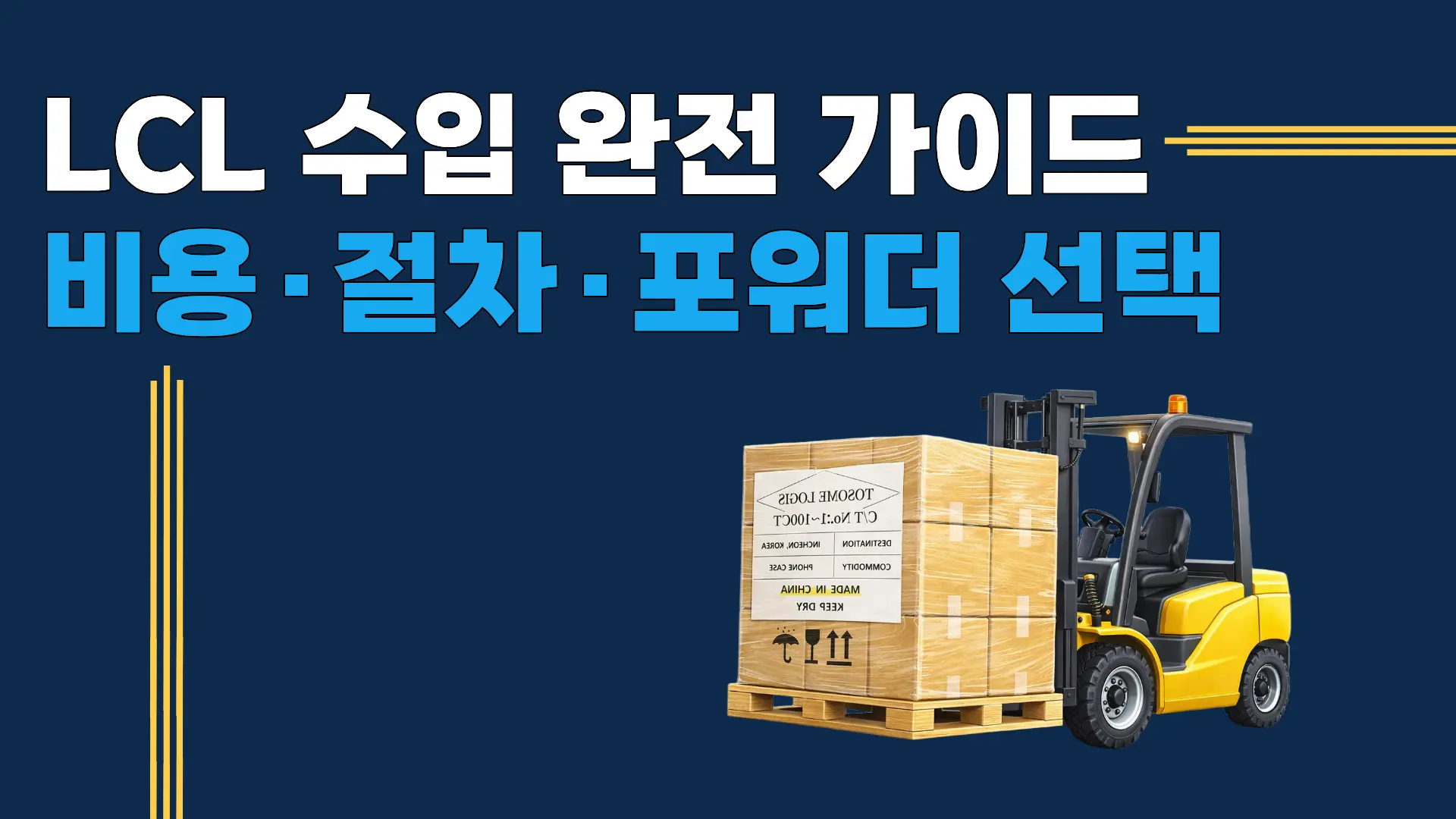
 KakaoTalk
 Naver Blog