Vietnam is one of Korea's core trade partners. The Korea-Vietnam FTA (VKFTA) offers substantial tariff savings, but overlooking labeling rules and certification requirements is a common way to get stuck at customs. Here's a 2026 reference covering Korea-Vietnam export and import methods, lead times to Ho Chi Minh City and Haiphong, the LCL import process, customs precautions, and how to make the most of the FTA.
1. Korea-Vietnam Trade Overview — Key Categories and FTA Use
Vietnam is one of Korea's top three export destinations. Major categories exported to Vietnam include electrical/electronic components, machinery and equipment, plastic and chemical raw materials, and textile/apparel fabric. In the other direction, major categories imported from Vietnam include finished apparel and footwear, furniture and wood products, seafood, and finished electronics.
The Korea-Vietnam FTA (VKFTA) is a bilateral agreement that took effect in 2015 and phases in tariff reductions on Vietnamese-origin imports. Using a Certificate of Origin (C/O Form KV), many items qualify for tariff rates of 0-5%.
✅ Beyond the Korea-Vietnam FTA, RCEP (Regional Comprehensive Economic Partnership) has been in effect since 2022, providing additional tariff benefits for trade with Vietnam. Depending on the item, you can choose whichever of the two FTAs is more favorable.
2. Major Vietnamese Ports & Lead Times (From Incheon)
Below are total transit times from Incheon, including sea freight and CFS processing. These are import figures (Vietnam→Korea); export (Korea→Vietnam) takes roughly the same time.
💡 Ho Chi Minh Port is Vietnam's largest container port, concentrating consumer-goods cargo like apparel, footwear, and furniture. Haiphong is the main export port for electronics factory cargo near Hanoi in the north — cargo from Samsung/LG supplier factories mostly ships through Haiphong.
When exporting from Korea to Vietnam, choose your method based on volume and urgency.
Category
LCL Sea Freight
Air Cargo
DHL/FedEx Courier
Best volume
2+ CBM, general cargo
0.5-3 CBM, high-value/urgent
Under 30kg, small parcels
Transit time
~12-18 days, Incheon to HCMC
1-2 day arrival
2-3 business days
Cost level
Low
Medium-high
Highest for small quantities
Best-suited items
Machinery, raw materials, apparel fabric
Electronic components, pharmaceuticals, samples
Documents, samples, small parts
Small-to-medium general cargo
LCL Sea Freight
Machinery, raw materials, apparel fabric, 2+ CBM. Lowest and most stable cost.
2CBM+
Urgent / high-value, low volume
Air Cargo
Electronic components, samples, etc. Arrives in 1-2 days, at a higher cost than sea.
1-2 days
Small documents/samples
Courier
Small packages under 30kg. Simple and convenient, but the highest per-unit cost.
~30kg
4. Vietnam → Korea LCL Import Process
Here's the full flow for importing from Vietnam to Korea by LCL.
01
Choose a forwarder & request a quote
Provide your Vietnamese factory's location, item, CBM, and weight to get an All-in quote.
Specify HCMC or Haiphong as the departure portRequest pre-confirmation of HS code and food/cosmetics import feasibilityConfirm Korea-Vietnam FTA eligibility (whether a C/O can be issued)
02
Factory pickup in Vietnam
Your forwarder's local partner in Vietnam picks up cargo from the factory and moves it to the CFS warehouse.
EXW terms: factory → Vietnam CFS (handled by forwarder)FOB terms: factory delivers to HCMC/Haiphong port
03
Vietnam export clearance & loading
Vietnam files the export declaration, and a Bill of Lading (B/L) is issued.
Apply for a Certificate of Origin (C/O Form KV or Form D)Final check of invoice/packing list accuracy
04
Ocean transit (Vietnam → Incheon)
Roughly 6-8 days from Ho Chi Minh City, 7-9 days from Haiphong.
05
Arrival at Incheon & domestic CFS sorting
Cargo is sorted at the domestic CFS, and your forwarder receives the D/O (delivery order).
06
Import customs clearance
Submitting a Korea-Vietnam FTA C/O applies a reduced tariff. If documents check out, clearance completes within 1-2 days.
Required documents: B/L, Invoice, Packing List, and C/O (if claiming FTA)Food and cosmetics require an additional MFDS import notificationConfirm KC certification for electronics subject to it
07
Inland transportation & final delivery
Delivered to the designated address after clearance. No additional warehouse fee if released within the free bonded-storage period.
5. Vietnam Customs Precautions
Vietnam has strict labeling rules and certification requirements. Confirm the following before exporting.
①
Mandatory Vietnamese-language labeling
Almost all consumer goods exported to Vietnam require Vietnamese-language labels. Product name, origin, manufacturer, ingredients, usage instructions, and expiration date must all be labeled in Vietnamese. Missing labels result in a customs hold or return shipment.
②
Food & cosmetics — pre-certification required
Food exported to Vietnam sometimes requires import approval from Vietnam's Ministry of Health. Cosmetics require a Notification filing before sale. These processes can take months, so early preparation is essential.
③
Importing into Korea — check labeling & ingredients
Food and cosmetics imported from Vietnam into Korea need Korean-language labels and ingredient lists meeting MFDS standards. Electronics subject to KC certification cannot be imported at all without a Korean certificate.
Products with built-in lithium batteries, flammable liquids, and chemicals must comply with IATA regulations for air import/export. Sea freight also requires a separate dangerous-goods declaration (IMDG Code), so coordinate with your forwarder in advance.
6. How to Use Korea-Vietnam FTA Tariff Benefits
Using the Korea-Vietnam FTA properly can significantly reduce your tariff burden. The key is a pre-issued Certificate of Origin (C/O).
Category
Details
Applicable FTA
VKFTA (Korea-Vietnam FTA, in effect since 2015) / RCEP (in effect since 2022)
C/O form
Korea-Vietnam FTA: Form KV / RCEP: Form RCEP
Issuing authority
Vietnam: Ministry of Industry and Trade (VCCI) or local chambers of commerce / Korea: Korea Chamber of Commerce and Industry
Submission timing
Submitted to customs at time of import declaration (original or electronic C/O)
Note
C/O is valid for 1 year from date of issue. General tariff applies once expired
⚠️ To claim FTA benefits, you must submit the C/O at the time of import declaration. Late submission after arrival can sometimes be applied retroactively, but the process is complicated. The safest approach is completing C/O issuance before shipping.
7. Common Problems in Korea-Vietnam Export & Import
Missing FTA benefits from no C/O — Many shippers miss out on tariff savings by failing to issue a Certificate of Origin or missing the submission window.
Missing Vietnamese-language labeling — Consumer goods exported to Vietnam without Vietnamese labels get held at local customs.
Missed CFS cutoff — LCL cargo that misses the CFS intake cutoff gets pushed to the next sailing, sometimes delaying shipment by 2+ weeks.
Missing food/cosmetics pre-certification — Shipping without Vietnam import approval or Notification registration can result in extended customs-warehouse detention on arrival.
8. Tosome Logis Vietnam Logistics Service
Just give us your cargo details — we'll handle everything needed for Korea-Vietnam export and import.
Tosome Logis Vietnam Forwarding Service
📘Korea-Vietnam FTA C/O issuance support — advising on whether VKFTA or RCEP is more favorable
From Ho Chi Minh City to Incheon: about 6-8 days of ocean transit, roughly 12-18 days total including CFS wait. From Haiphong: roughly 14-20 days total. Peak season, holidays, and clearance delays can extend these timeframes.
Applying the Korea-Vietnam FTA (VKFTA) can bring tariffs on Vietnamese-origin imports down to 0-5%. You must submit a Certificate of Origin (C/O Form KV) issued in Vietnam at the time of import declaration. Check item-specific rates on the Korea Customs FTA portal.
The most common causes are: (1) labeling errors (missing Korean labels), (2) incorrect HS codes, (3) missing C/O submission, losing FTA benefits, and (4) missing MFDS notification for food/cosmetics. Most are preventable with a pre-shipment check with your forwarder.
LCL sea freight is more economical when cargo volume is 2 CBM or more and urgency is low. Consider air freight if volume is under 2 CBM or deadlines are tight. Bulk cargo like apparel, furniture, and household goods works well by LCL; high-value, low-volume cargo like semiconductors is better suited to air.
Vietnam requires Vietnamese-language labels on imported products — product name, origin, manufacturer, ingredients, usage instructions, and expiration date. Failure to meet labeling requirements can result in a customs hold or return shipment, so confirm this before exporting.
1. Personal Information Collected and Collection Method
Tosome Logis (the "Company") collects the following personal information to provide services such as customer inquiries, quote requests, and shipping consultations.
Items collected: name, email, phone number, address, cargo information, and any other information provided by the customer
Collection method: direct input via the website inquiry form, email inquiries, phone consultations, etc.
2. Purpose of Collection and Use
Responding to inquiries and quote requests
Confirming cargo information and contacting customers to provide shipping services
Service-related notices and customer support
Improving logistics service quality and providing tailored guidance
3. Provision and Sharing of Personal Information
The Company does not disclose personal information to third parties without customer consent, except in the following cases.
When the customer has given prior consent
When required by law or requested by a government authority
When minimal information must be shared with partner carriers (FedEx, DHL, UPS, etc.) necessary to complete shipment
4. Retention and Use Period of Personal Information
Item
Reason for Retention
Retention Period
Inquiry and consultation history
Preventing service confusion, dispute resolution
3 months
Contract and payment information
Act on Consumer Protection in Electronic Commerce
5 years
Log records
Protection of Communications Secrets Act
3 months
5. Procedure and Method of Destroying Personal Information
Paper documents: shredded or incinerated
Electronic files: deleted using methods that prevent recovery
Customers may request to view, correct, or delete their personal information at any time. Requests are processed without delay after identity verification.
9. Security Precautions
Use a combination of letters and numbers in your password, and change it periodically.
Log out and close your browser after using shared or public devices.
Do not leave personal information on message boards, chat windows, etc.
 KR
KR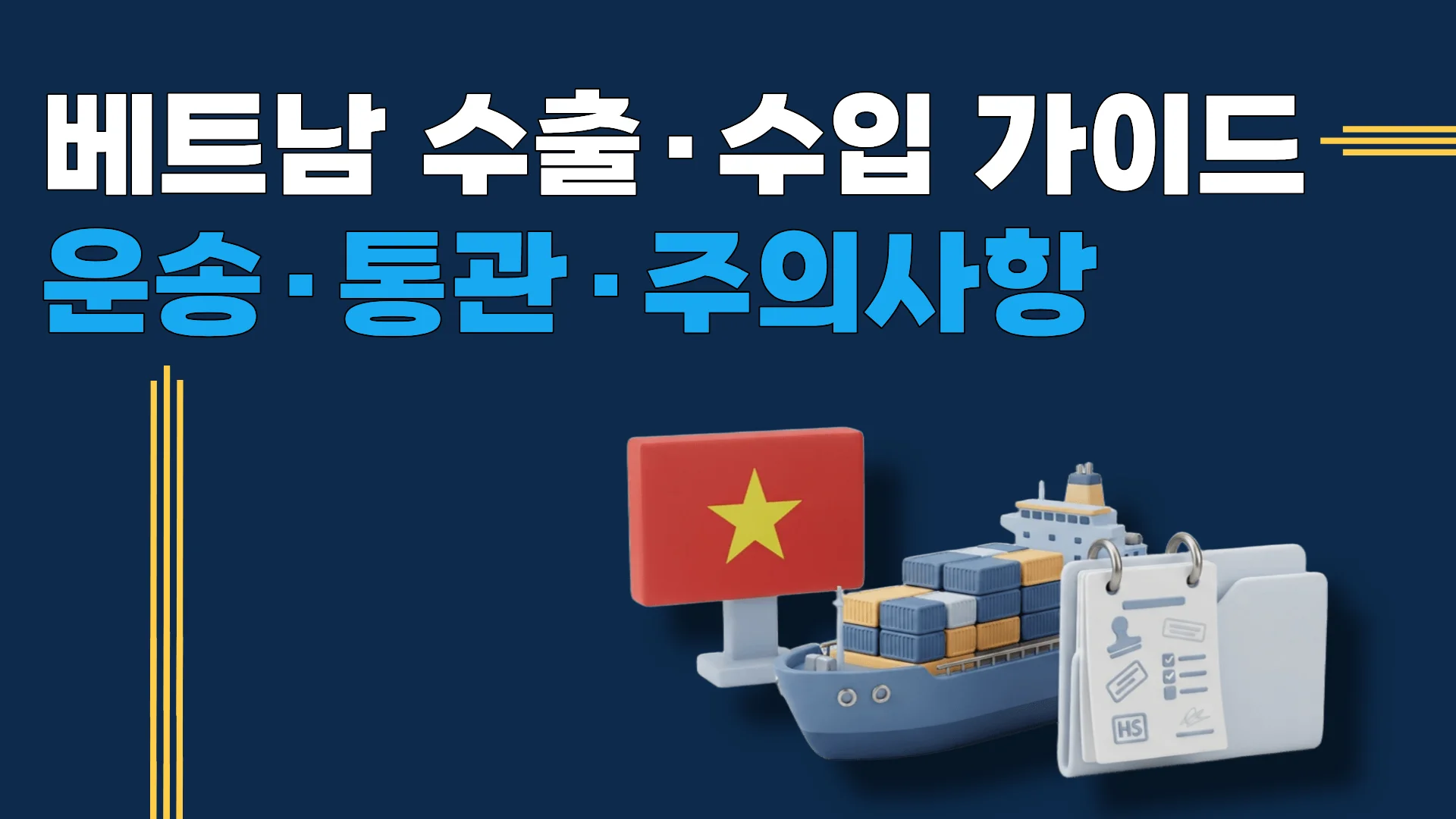
 KakaoTalk
 Naver Blog